 |
| Home | Accommodation | Food and Drink | Things to Do | Helpful Information | Find Us |
Dunstanburgh Castle |
|||||||||||||||||
THINGS TO DO |
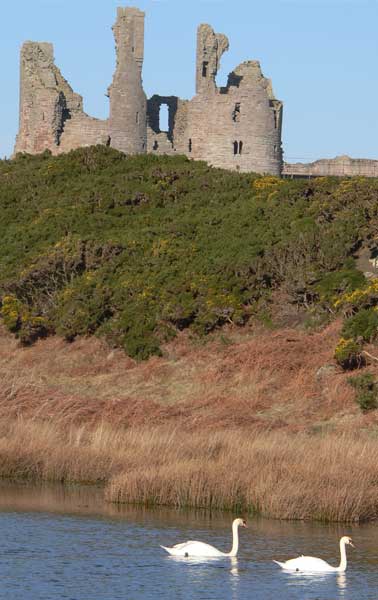
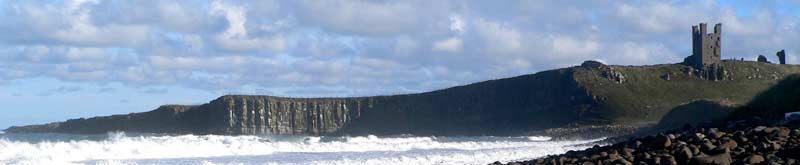
One of the most dramatic castles on the Northumberland coast, construction of Dunstanburgh was begun in 1313 by Thomas, Earl of Lancaster. Later strengthened by John of Gaunt, the castle enjoyed a brief period in the historical spotlight during the Wars of the Roses in the 1460's, before lapsing into disuse. However, history's loss is our gain as the stark ruins of the castle provide a dramatic focus for the coast a little over a mile north of Craster. The attraction of the ruins is supplemented by the spectacular location and the superb views, particularly from the curtain wall on the northern cliffs.
The castle is home to a diverse range of birds; kittiwakes, razorbills, fulmars and shags nest on the cliffs. Swallows and house martins quarter the grounds for insects and birds of prey such as peregrines and short eared owls are occasional visitors. Eider ducks, with their chicks, can be seen on the rocky shores and visiting grey seals patrol the coast. Dunstanburgh Castle can only be reached on foot, there is no vehicular access. Take the gate to the north of Craster harbour and follow the flat grassy path by the edge of the shore; a distance of 1¼ miles. Parking for visitors to the castle is in the main Craster car park next to the Tourist Information Centre. Opening Times:
Visitors should also note that there are no public toilets at the castle, the nearest are adjacent to Craster TIC. Find out more about Dunstanburgh Castle from English Heritage's Archives.
|
Home Accommodation Food and Drink Things to Do Helpful Information Find Us Contact Us